Understanding Chimney Issues
The Freeze-Thaw Cycle and Chimney Masonry:
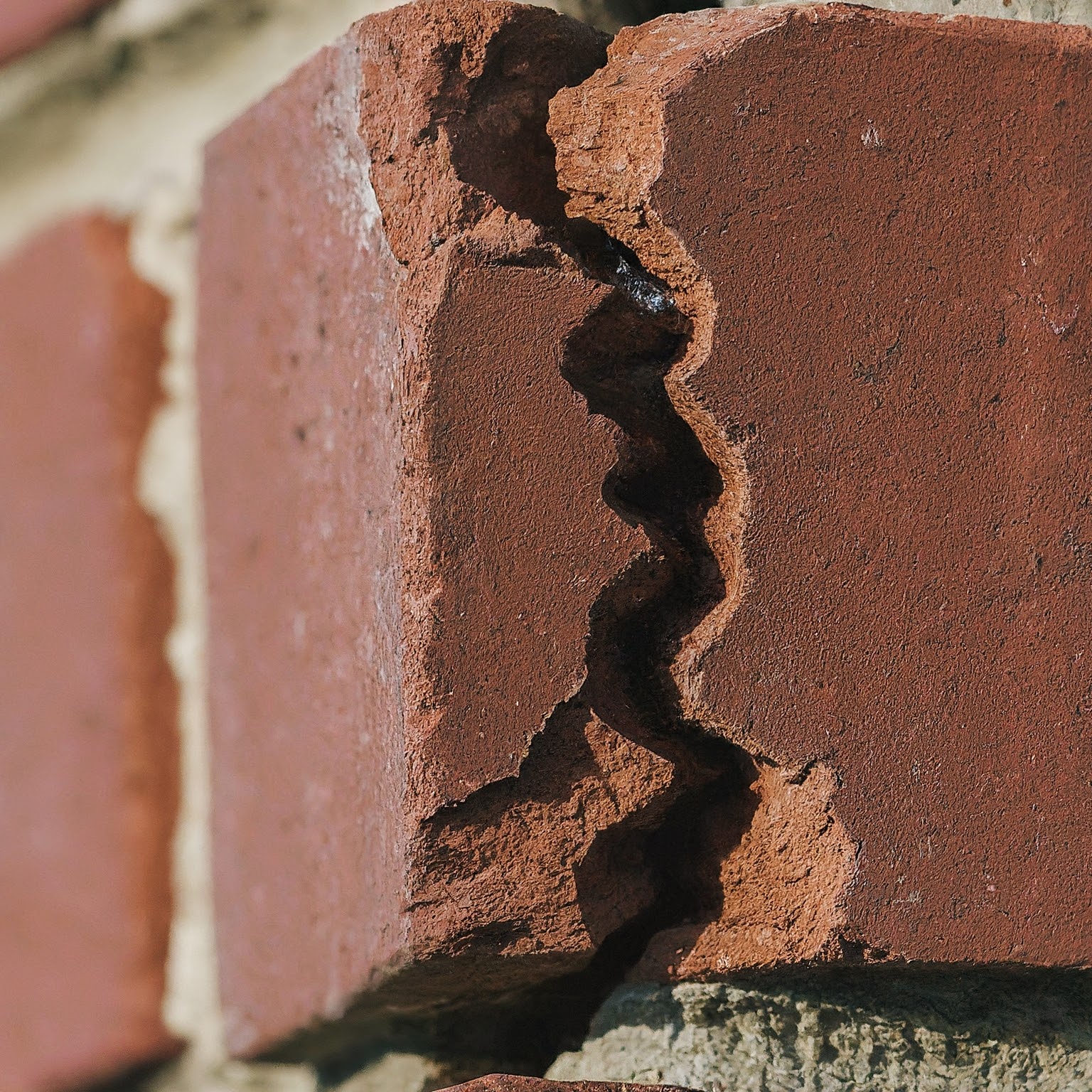
One of the primary challenges that chimneys face during Minnesota winters is the freeze-thaw cycle. As temperatures fluctuate, moisture penetrates the masonry of the chimney. When this moisture freezes, it expands, exerting pressure on the chimney structure. Over time, the repeated freeze-thaw cycles can lead to cracks, spalling, and other forms of deterioration in the bricks and mortar.
Repair Solutions:
- Tuckpointing: Address minor cracks and gaps by employing the tuckpointing technique, which involves removing deteriorated mortar and replacing it with fresh mortar.
- Brick Replacement: Replace severely damaged bricks to restore the structural integrity of the chimney.
Don't Let Winter Damage Your Chimney
Minnesota winters are tough on homes, and your chimney is no exception. Cracks, leaks, and safety hazards can all develop from the freeze/thaw cycle. Protect your family and your investment – call us today for a free chimney inspection and estimate.
Previous Article
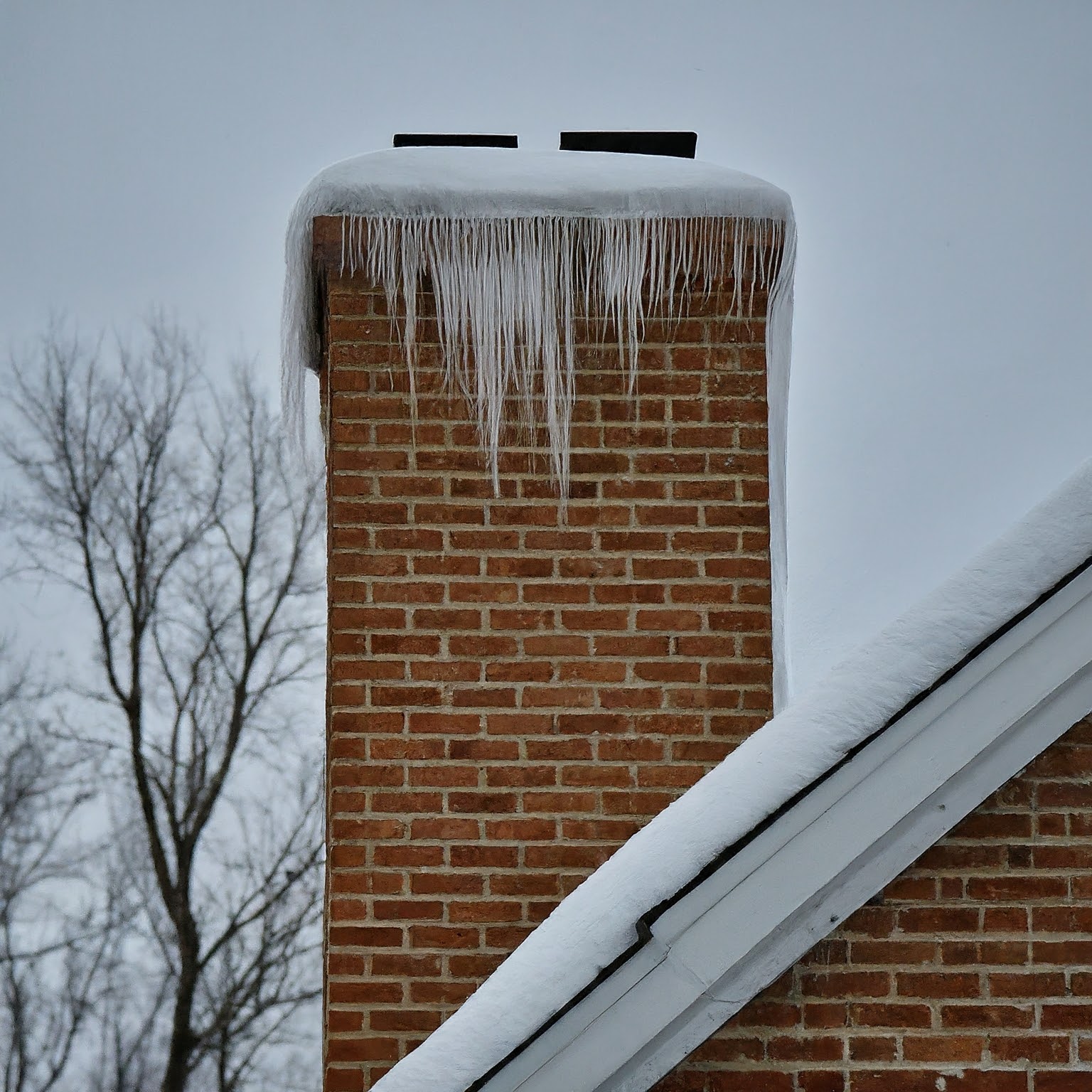
Minnesota’s winters are renowned for their intensity, bringing freezing temperatures, heavy snowfall, and icy conditions. While the picturesque snow-covered landscapes are a sight to behold, the harsh winter weather can take a toll on various aspects of homes, including chimneys. In this comprehensive repair guide, we explore the significant impact that Minnesota winters can have on chimneys and provide valuable insights into the repairs necessary to ensure the safety and functionality of these essential structures.
Next Article
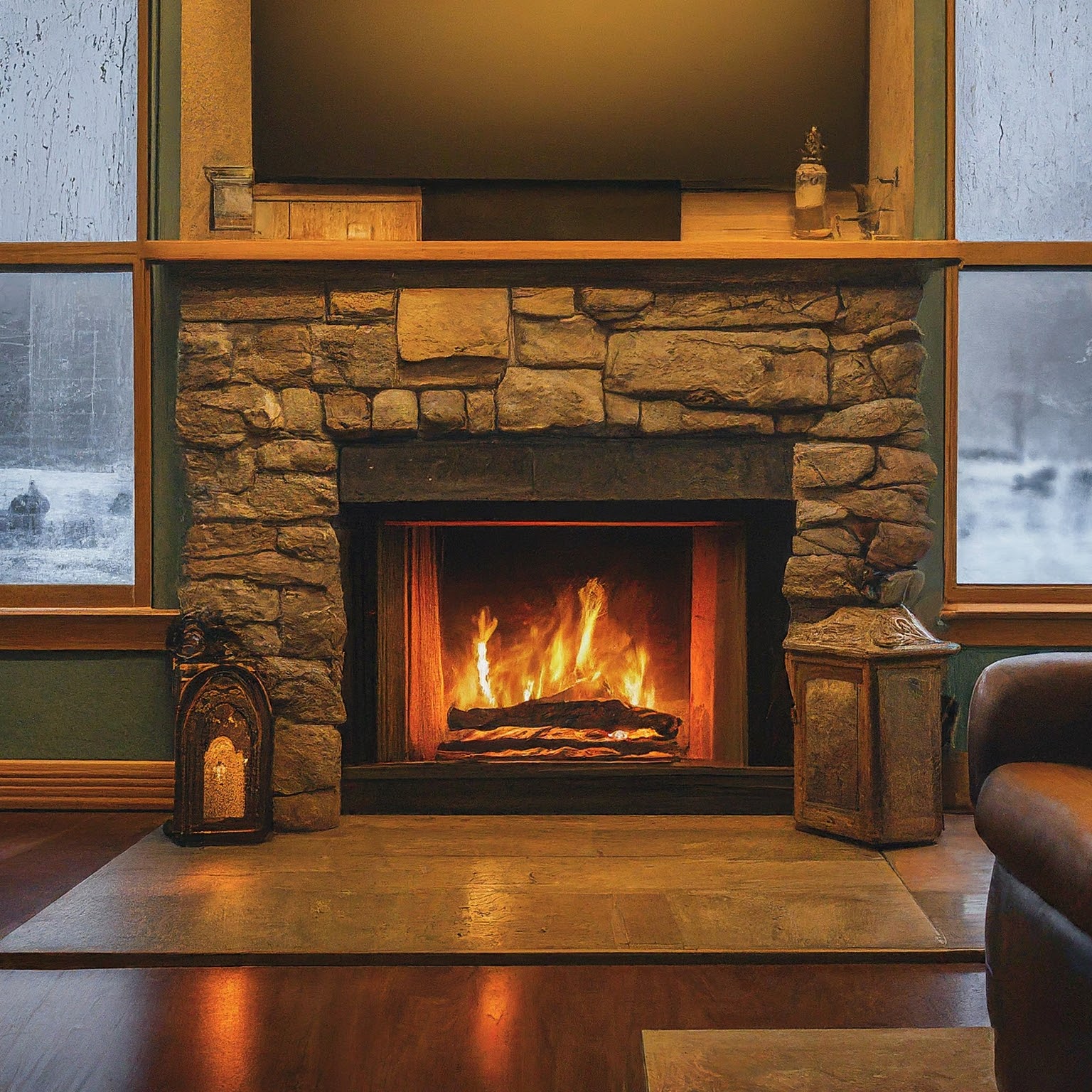
The charm of a crackling fireplace on a cold Minnesota evening is unparalleled, but the last thing any homeowner wants is a leaky chimney. With Minnesota’s winter showcasing its full might, identifying and fixing chimney leaks becomes paramount. In this guide, we’ll walk you through the process of recognizing signs of chimney leaks and providing practical solutions to ensure a dry and cozy home during the harshest months.